
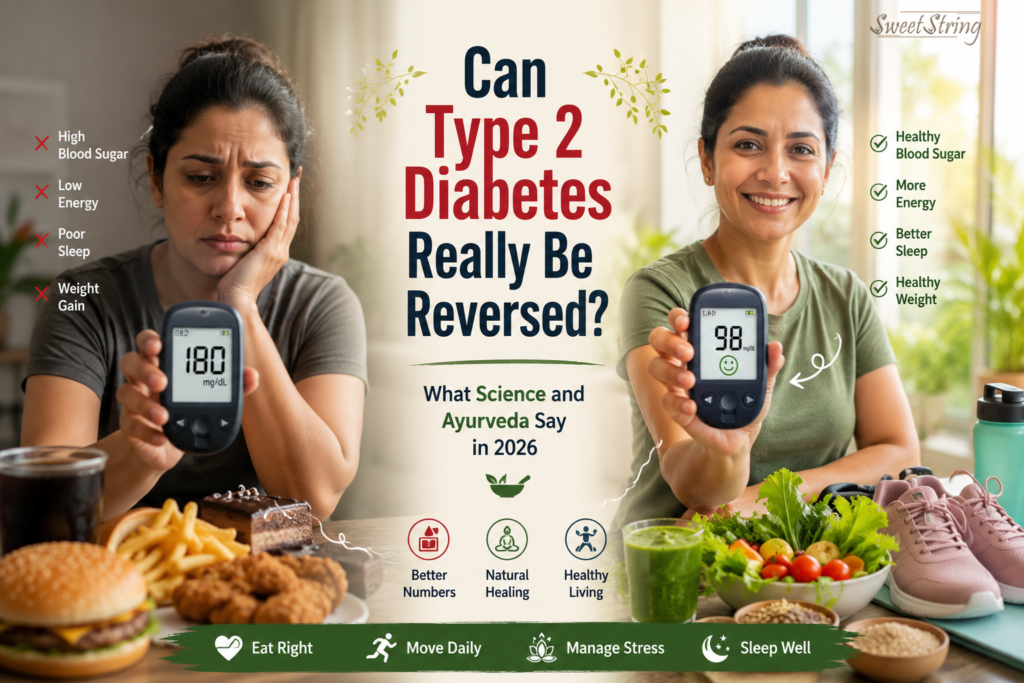
A diagnosis of prediabetes or Type 2 diabetes can feel overwhelming. But diabetes management is not simply about giving up favorite foods or relying on medication alone. Today, there is strong evidence that lifestyle changes—including healthy eating, regular physical activity, weight management when appropriate, and good sleep—can play an important role in improving blood sugar control and reducing the risk of complications.
For some people with Type 2 diabetes, substantial and sustained weight loss can even lead to diabetes remission. Importantly, remission is different from a cure, and it does not mean that everyone with diabetes can stop treatment. Medical care remains an important part of diabetes management.
Signs You May Have Prediabetes
Many people have prediabetes without noticeable symptoms. When symptoms do occur, they can overlap with those of diabetes and may include:
- Increased thirst
- Frequent urination
- Unusual fatigue
- Blurred vision
- Darkened patches of skin around the neck, armpits, or groin, sometimes associated with insulin resistance
These symptoms can have other causes as well, so they cannot confirm prediabetes or diabetes on their own. If you are concerned about your blood sugar or recognize possible symptoms, appropriate blood testing and medical advice are more reliable than trying to diagnose yourself based on symptoms.
Early identification of prediabetes can provide an opportunity to make lifestyle changes that may lower the risk of developing Type 2 diabetes.
The Reality of Reversal vs. Remission
It is important to use the right language when discussing diabetes.
Prediabetes can often return to the normal blood sugar range, particularly when lifestyle changes are made early. For Type 2 diabetes, healthcare professionals generally use the term remission rather than “cure” when blood glucose returns below the diabetes range without glucose-lowering medication for a sustained period.
Significant and sustained weight loss can contribute to remission for some people with Type 2 diabetes, although the likelihood varies depending on factors such as how long someone has had diabetes and their individual health circumstances. Diabetes can also return, so remission does not necessarily mean the condition can be forgotten.
Several lifestyle habits can support diabetes prevention and management:
- Healthy weight management: For people with overweight or obesity, even modest weight loss can improve blood sugar and other cardiometabolic measures. The 2026 American Diabetes Association Standards of Care recommends aiming for at least 5–7% weight loss when appropriate, while recognizing that goals should be individualized.
- Balanced eating patterns: Rather than focusing on one “perfect” meal schedule, choose a sustainable eating pattern that emphasizes nutrient-dense foods such as non-starchy vegetables, legumes, whole grains, nuts, seeds, lean proteins, and other foods that fit your nutritional needs.
- Regular physical activity: For most adults with diabetes, the ADA recommends at least 150 minutes of moderate- to vigorous-intensity aerobic activity per week, spread across at least three days, when medically appropriate. Resistance exercise can also be beneficial.
- Healthy sleep: Getting adequate, consistent sleep is part of an overall healthy lifestyle. Sleep alone is not a treatment for diabetes, but good sleep habits can support general health and make healthy routines easier to maintain.
Foods That Support Healthy Blood Sugar Levels
No single food can cure diabetes, but the overall quality of your eating pattern can make a meaningful difference to blood sugar management.
Foods commonly emphasized in diabetes-friendly eating patterns include:
- Leafy greens such as spinach and kale
- Lentils and beans
- Chickpeas
- Oats and other whole grains
- Nuts such as almonds and walnuts
- Seeds including chia and flaxseed
- Unsweetened yogurt or other minimally processed dairy alternatives
These foods can provide fiber, protein, healthy fats, vitamins, minerals, and other nutrients. Higher-fiber, minimally processed carbohydrate sources can also be useful as part of an overall balanced eating pattern.
The right choices and portion sizes can vary from person to person, particularly for people taking diabetes medications. A registered dietitian or diabetes care professional can help create an eating pattern suited to individual needs.
Looking for practical meal ideas? Check out our 7-Day Cholesterol-Friendly Meal Plan + Weekly Grocery List, which focuses on heart-conscious food choices that may also fit into a balanced eating pattern.
The Bridge Between Two Worlds: How Modern Medicine and Ayurveda Can Complement Each Other
Diabetes treatment does not have to be framed as a choice between modern medicine and traditional practices.
Evidence-based medical treatment has an important role in managing diabetes and reducing the risk of complications. At the same time, some people are interested in complementary approaches such as yoga, mindful eating, or traditional herbal practices.
The important distinction is that complementary approaches should not replace proven diabetes treatment.
Some Ayurvedic herbs have been studied for their possible effects on blood sugar, but the amount and quality of evidence vary considerably between individual products and preparations. Research is still needed before many of these approaches can be considered established treatments for diabetes.
Here is a more cautious way to look at the two approaches:
Feature | Modern Medical Treatments | Complementary Ayurvedic Approaches |
| Primary role | Blood sugar management and reduction of diabetes-related health risks | May support lifestyle and well-being for some people |
| Evidence Base | Supported by clinical research and established treatment guidelines | Evidence varies considerably between herbs and practices |
| Predictability | Many treatments have well-established effects and safety information | Effects and product quality can vary |
| Lifestyle role | Often used alongside nutrition, physical activity, and other lifestyle measures | May include practices such as yoga, mindful eating, and traditional approaches |
| Important limitation | Treatment needs to be individualized and monitored | Should not replace prescribed diabetes treatment and may interact with medications |
The goal should not be to choose one approach simply because it sounds more natural. The goal is to use approaches that are appropriate, safe, and supported by reasonable evidence.
The Western Powerhouse: Targeted Medical Treatment
Modern diabetes care includes much more than insulin.
Depending on the type and stage of diabetes, individual health circumstances, and treatment goals, healthcare professionals may use medications such as GLP-1 receptor agonists, SGLT2 inhibitors, insulin, or other glucose-lowering medicines.
Some newer medications can improve blood sugar control and may also help with weight management. Certain medications have demonstrated cardiovascular or kidney-related benefits in specific groups of people with Type 2 diabetes.
However, there is no single medication that is appropriate for everyone, and treatment decisions should be made with a qualified healthcare professional rather than based on an online article.
Medication should therefore be viewed as one part of diabetes care—not as a failure to make lifestyle changes.
The Ayurvedic Perspective: A Complementary Approach
Can Ayurveda play a role in a person’s overall approach to diabetes management?
Possibly, but this area requires caution.
Some traditional herbs and practices have been investigated for their potential effects on blood sugar. For example:
Gudmar (Gymnema sylvestre): Gymnema has been studied for possible effects on glucose metabolism, but evidence is not strong enough to treat it as a replacement for established diabetes treatment.
Turmeric and Amla: These foods contain compounds that have attracted scientific interest because of their antioxidant and other biological properties. However, that does not mean that eating them or taking concentrated supplements will treat or reverse diabetes.
Lifestyle Integration: Practices such as yoga, mindful eating, regular physical activity, and balanced eating may support general health and healthy routines. Their usefulness should be considered as part of a broader lifestyle approach rather than as a substitute for medical care.
Herbal products also deserve particular caution. Supplements can vary in quality and concentration, and some may interact with prescription medications.
If you have diabetes and are considering an Ayurvedic herb or supplement, discuss it with your healthcare professional before adding it to your routine or changing prescribed treatment.
The strongest evidence continues to support a combination of appropriate medical care, healthy eating patterns, regular physical activity, and appropriate weight management when needed.
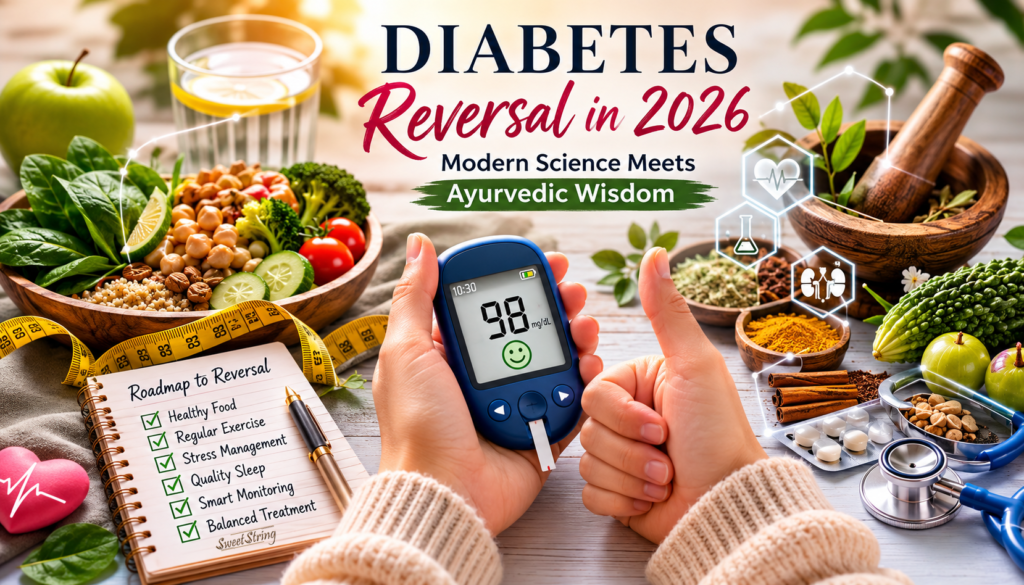
The Clinical Perspective: Collaboration, Not Competition
There does not need to be a competition between modern medical care and healthy lifestyle practices.
Someone with significantly elevated blood sugar may need medical treatment to reduce immediate and long-term health risks. At the same time, lifestyle changes can remain an important part of managing diabetes.
For some people with Type 2 diabetes, substantial and sustained weight loss can contribute to remission. But this is not guaranteed, and treatment should never be stopped or reduced without medical supervision.
Complementary practices can sometimes have a place alongside conventional care, provided they are discussed with healthcare professionals and do not replace treatments that have established benefits.
The aim is not to choose the “natural” option or the “medical” option simply because of the label.
It is to make informed choices based on evidence, individual circumstances, safety, and professional guidance.
Modern Safety Precautions and Smart Tech
Good diabetes care involves more than simply guessing how your body is responding.
Continuous glucose monitors (CGMs) can provide useful information about glucose patterns for people for whom their healthcare team recommends them. Blood glucose monitoring can also help people and their healthcare professionals understand how meals, physical activity, medication, and other factors affect glucose levels.
However, monitoring needs vary depending on the type of diabetes and the treatment being used.
There are also important safety considerations when combining diabetes medication with supplements or herbal products.
- Hypoglycemia Monitoring: Some medications and certain supplements or herbs may contribute to low blood sugar. If you use diabetes medication and are considering an herbal product, discuss it with your healthcare professional rather than assuming that “natural” means risk-free.
- Regular Medical Monitoring: Diabetes can affect the cardiovascular system, kidneys, eyes, nerves, and feet over time. Recommended checkups and screening can help identify complications early.
What Happens If Diabetes Is Left Uncontrolled?
Persistently elevated blood sugar can contribute to damage affecting blood vessels and nerves.
Over time, poorly controlled diabetes can increase the risk of complications such as:
- Heart disease
- Stroke
- Chronic kidney disease
- Vision problems and diabetic retinopathy
- Nerve damage, also known as diabetic neuropathy
The encouraging part is that good diabetes management can reduce the risk of many complications. Appropriate medical care, regular monitoring, healthy eating, physical activity, and other individualized lifestyle measures all have a role to play.
Conclusion: A Balanced Tomorrow
Managing diabetes is not about finding one miracle food, one supplement, or one perfect treatment.
It is about building a sustainable approach that combines evidence-based medical care with healthy everyday habits.
For some people, lifestyle changes and significant weight loss can make a substantial difference to blood sugar control and may contribute to Type 2 diabetes remission. For others, medication remains an important and sometimes essential part of long-term care.
Traditional practices and herbal products may be of interest, but they should be approached carefully, because evidence varies and supplements can interact with medications.
The most useful goal is not to choose between modern medicine and lifestyle change.
It is to understand what the evidence actually shows, recognize where uncertainty remains, and work with qualified healthcare professionals to find an approach that is safe and appropriate for you.
Herbal supplements can interact with prescription medications and vary in quality and potency. If you have diabetes or take medication for blood sugar control, speak with a qualified healthcare professional before adding supplements or making changes to your treatment plan.